Tuesday, October 4, 2011

Quiz: How Much Do You Know About Athletes with Asthma?


As certified athletic trainers we deal with many athletes, parents, coaches and colleagues who have varying degrees of asthma. While we typically know something about the condition, how much and how well do you know asthma?

Here is a little quiz for you.

  1. Do you know the law in your state about students being permitted to carry a controlled substance such as their inhaler with them in school?
  2. Did you know there is a federal law requiring schools to make certain that asthmatics have all the same opportunities as other students?
  3. On average if you have 30 athletes on your softball team, about how many of them may be asthmatic?
  4. How many asthmatic triggers can you name?
  5. Do you know the signs of an asthmatic episode? How about the signs of an asthmatic emergency?
  6. Does your school have an Emergency Action Plan that covers severe asthmatic episodes during the school day? after school? Is the EAP clear about duties and responsibilities?
  7. Can physical education class, sports, exercise actually cause an asthmatic episode?
  8. Do you know the Rule of Two’s ?

Concluding thoughts:


Question 1: check with your nurse or health officer to see how your district reflects the law of your particular state.


Question 2: the Individual with Disabilities Education ACT (IDEA) and Section 504 are federal laws that require arrangements to be made to include all students, even those with disabilities like asthma, to participate in all the educational experiences.

Question 3: about 3 or 10%

Question 4: indoor: dust, furry/feathered animals, mold, food allergies, strong odors/fragrances, poor air quality, temperature/humidity, tobacco smoke, illness/infection, exercise/sports and strong physical expressions of feelings

Question 5a: cough, shortness of breath, mild wheeze, tight chest, exposure to a known trigger. Remember being "winded" from exercise is different than "wheezing".


Question 5b: chest sucking in/neck muscles bulging, difficulty or discomfort when breathing, nasal flaring, trouble walking and/or talking, breathing does not improve or is worse after quick reliever medication is used


Question 6: check with your nurse, supervisor, central administration


Question 7: yes


Question 8: Does your athlete use a "quick-relief inhaler" more than Two times a week? Do they awaken at night with asthma more than Two times a month? Do they refill their "quick relief inhaler" more than two times a year? Does their peak flow drop more than Two times 10 (20%), when experiencing asthma symptoms? If, "yes" to any of these, your athlete may be clinically out of control. Have them see their physician. Rules of Two is a federally registered service mark of Baylor Health Care System. ©2008 Baylor Health Care System.


Having tools to assist your athletes with asthma should be of paramount importance to you. Check out tools and texts to help you by visiting Sports Health's asthma category >>.

Phil Hossler, ATC has been an athletic trainer on the scholastic, collegiate and Olympic levels. He has authored 4 books and numerous articles and served as an officer in state and regional athletic training associations for 20 years. He is a member of four halls of fame including the National Athletic Trainers’ Association’s.

Monday, September 26, 2011

The Popularity of Tennis and Products to Make You More Comfortable

"According to data just released by the Sporting Goods Manufacturers Association (SGMA), tennis is the fastest growing sport in America among individual traditional sports with an increase in participation of 43 percent from 2000 to 2008. According to the SGMA, tennis was one of only six sports to experience participation growth exceeding 40 percent from 2000 through 2008. Tennis is well ahead of other traditional sports like baseball, ice hockey, gymnastics and football, all of which suffered a decline in participation during the past eight years. In the last year alone (through December 31, 2008), tennis experienced a 9.6 percent growth in participation." Read more >>


"The game of tennis is the same everywhere. The name given to the game differs in different countries. In Great Britain it is called Tennis or, to distinguish it from Lawn Tennis, Real Tennis or Royal Tennis. In the USA it is called Court Tennis: in France Jeu de Paume (hand ball): and in Australia Royal Tennis. The various names throw light on the development of the game. Tennis was played in 5th century Tuscany when villagers used to strike balls up and down the streets with bare hands." Ready more >>


Tennis is a very demanding activity but can also be very enjoyable and played both competitively and leisurely. As in any sporting activity "it is wiser to prepare than to repair" so conditioning, proper equipment, stretching, proper progression and practice, practice, practice are advised.


Injuries can occur and should be dealt with rather than allow them to linger. When in doubt as to what or how serious your injury may be, seek medical attention. (Read - "How To Identify and Treat Tennis Elbow - and When to See a Doctor" Remember "ice is nice and hot is not" so always apply cold initially to those aches and pains. Typically ice is applied for 10-30 minutes depending upon individual tolerances and then removed for 30-60 minutes.


When looking for a variety of products to assist, care for, relieve and support, shop Sports Health Tennis products >>

Phil Hossler, ATC has been an athletic trainer on the scholastic, collegiate and Olympic levels. He has authored 4 books and numerous articles and served as an officer in state and regional athletic training associations for 20 years. He is a member of four halls of fame including the National Athletic Trainers’ Association’s.

Friday, August 19, 2011

MRSA- Does Your School Have a Plan?

What is MRSA?

More than 130,000 Americans contract a potentially fatal staph infection called MRSA every year. It's increasingly common among young, healthy athletes. Methicillin-resistant Staphylococcus aureus (MRSA) is a bacterium responsible for several difficult-to-treat infections in humans. MRSA was first discovered in 1961. It's now resistant to methicillin, amoxicillin, penicillin, oxacillin, and many other antibiotics which makes it a very difficult disease to deal with. Staph is one of the most common causes of skin infections in the U.S. Usually, these are minor and don't need special treatment. Less often, staph can cause serious problems like infected wounds or pneumonia.


How is MRSA Spread?

MRSA is especially troublesome in hospitals and nursing homes where patients with open wounds, invasive devices and weakened immune systems are at greater risk of infection than the general public. This is called Hospital Acquired (HA). The other transmission method is called Community Acquired (CA), and one can acquire it from coming in contact with a person, mat, exercise equipment, etc. that has been contaminated.


This disease is contagious by touch only, so you would have to come in contact with someone else or an object that had been contaminated to contract it. MRSA can be transmitted when an infected person contaminates an object like a treadmill at the gym. If you use the equipment and get the bacteria on your hands, then inadvertently touch your nose, the bacteria can enter your nasal canal. The bacteria will begin to show up externally as a skin infection.


Hand Washing and MRSA


At the Society for General Microbiology meeting in Harrogate on March 31, Dr Peter Wilson from University College Hospital, London, reported in Science Daily Mar. 31, 2009 on a year-long study in two hospital intensive care units. Results showed that hand washing was more important than isolation in controlling MRSA infection. This study suggests regular hand washing by hospital staff and visitors did more to prevent the spread of the MRSA superbug than isolating infected patients.1 Researchers have found that patients of doctors who wash their hands are less likely to contract a serious infection that can cause pneumonia or surgical wound complications. According to a new study done by Johns Hopkins Hospital, patients at risk for MRSA (methicillin-resistant staphylococcus aureus) that had doctors and nurses who washed their hands were less likely to contract the infection.2 Read more about hand hygiene in sports >>

View several MRSA combating products for training rooms, offices, clinics and other athletic facilities >>

For further information see
1. Protecting Athletes- Microbiologists Invent Coating To Protect Athletes From Infection September 1, 2007. http://www.sciencedaily.com/videos/2007/0905-protecting_athletes.htm
2. http://www.webmd.com/skin-problems-and-treatments/news/20071024/mrsa-experts-answer-your-questions
3. The Johns Hopkins Newsletter, 11/5/04 http://media.www.jhunewsletter.com/media/storage/paper932/news/2004/11/05/Science/Hand-Washing.Lessens.Mrsa.Risk-2244064.shtml


Phil Hossler, ATC has been an athletic trainer on the scholastic, collegiate and Olympic levels. He has authored 4 books and numerous articles and served as an officer in state and regional athletic training associations for 20 years. He is a member of four halls of fame including the National Athletic Trainers’ Association’s.


Friday, August 12, 2011

How to Begin a Running Regimen


Running is one of the more accessible exercise activities available to athletes - all you really need is a good pair of shoes and a place to run; no fancy equipment or special skills. A word of caution however - it takes time to build up the endurance to run for even a short period of time, even if you've been walking, cycling or doing other activities in the past. Keep in mind that “it is wiser to prepare than to repair," so before you open the door and take off, visit your doctor, get the okay to start a running program and start working on your flexibility - particularly your lower back, hamstrings and calf muscles.

For most exercising adults, slower and longer is both safer and more productive than running hard (like you remember) and getting it done in 8 minutes. Use the “I can still talk while doing this” rule of thumb to gauge your intensity.

Don’t save money on your shoes. The soles of your feet only make up 2-4% of your skin surface, but the other 96% is resting (and counting on) the soles of your feet, so make them comfortable. Read 13 Tips for Selecting the Best Fitting Running Shoe >>

Running for exercise can be done when convenient to your schedule or your body’s schedule. Some people are morning exercisers and simply cannot get it done in the evening. There is no right or wrong time and each time slot has advantages. Just make certain to make the time, or you may never find the time. (Learn more about finding the right time to exercise.) There is bound to be some discomfort and occasional injuries associated with physical activity. Take care of them when they are small to reduce how long they last. Anything that hurts or persists should be seen by a medical professional.
To care for aches and discomforts, shop at http://www.esportshealth.com/running.

Phil Hossler, ATC has been an athletic trainer on the scholastic, collegiate and Olympic levels. He has authored 4 books and numerous articles and served as an officer in state and regional athletic training associations for 20 years. He is a member of four halls of fame including the National Athletic Trainers’ Association’s.
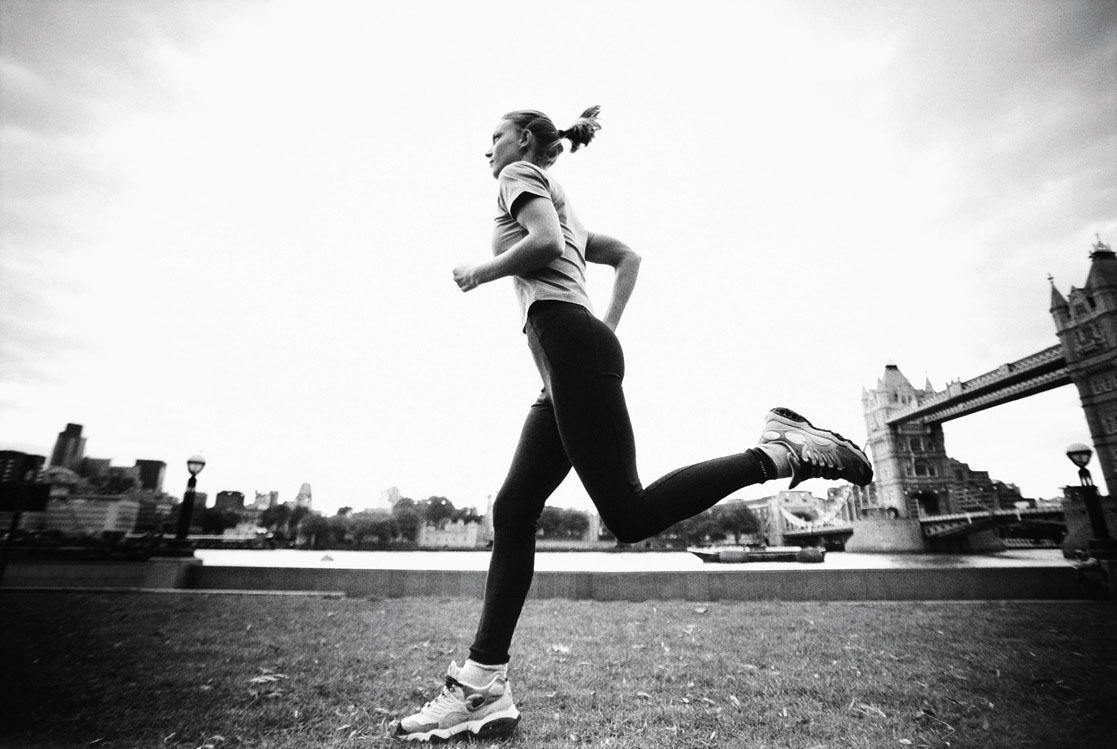

Saturday, August 6, 2011

How To Find the Best Time to Exercise


Is There a “Best” Time to Exercise?

That depends on a number of factors, including your body’s natural rhythms, your metabolic rate, your work and eating schedules and exposure to environmental factors.

Some people are early risers and want to get at it. Others start slower but can maintain longer throughout the day. These natural rhythms, called circadian rhythms, demonstrate peaks and valleys throughout the day. You are most likely to exercise when your energy level is high. Hopefully, you are able to match your meals, job, family, social and exercise activities with your natural rhythms.

6 Guidelines for Selecting the Best Time to Exercise:

  1. Eat little before exercise
  2. Avoid fat and protein sources if you plan to exercise shortly after eating since they digest slower than carbohydrate sources
  3. Exercise after a meal should be enjoyable and mild in intensity so as to aid digestion and weight control
  4. Exercising in the evening may aid metabolism during a normally slower time of the day, but may also cause “energy highs” making sleeping difficult
  5. Carbohydrate sources digest more easily and are the body’s first choice for energy. This does not mean candy though!
  6. If you are healthy enough for your exercise selection, there is no wrong time. Just make it a habit and stick with it.
Track Your activity with a pedometer or heart rate monitor >>

Wednesday, July 27, 2011

7 Health Considerations for Summer Athletes


Summertime & the Living is Easy

Like the song says, “summertime and the living is easy”. While they may be true for some, activity enthusiasts know that maintaining or achieving a level of fitness and enjoyment during the non-school year days may not be so easy. With school sports and school schedules, time and activity is monitored and managed. Both parents and their teens are in the routine of eating, working, exercising and sleeping.

Anytime you or your parents become the coach, athlete, motivator and injury specialist, you may need some help. Sports programs outside of school often have limited budgets, volunteer coaches, and few or no athletic trainers, but still the best of intentions.

Runners and cyclists have unique summertime needs while so do tennis players and golfers. Summer sports leagues for young, middle and older all have unique concerns to address.

Heat Safety

Here are some items I found at www.esportshealth.com which will make dealing with these times easier and safer. Two items which are of tremendous value to parents and exercising adults and their children are something to actually assess the ultraviolet (UV) intensity of the sun and a towel which has cooling properties.

Heat safety must be foremost in the attitude of exercising adults and teens/children. The young do not have the advanced heat control/sweating mechanisms as adults do; they actually feel the heat more intensely.

2 Products to Help Beat the Heat:


Summer Nutrition & Fluid Replacement

Proper nutrition and fluid replacement is critical to performance and to health. During the summer months adequate fluid and nutrient replacement must be maintained. Take the time to learn about heat and fluids; find what works best for you. Studies have shown that fluid losses as little as 1-2% of your body weight can negatively affect stamina, endurance and performance. Find products that maintain energy and fluids.

Improve Your Summer Nutrition & Fluid Intake:


Tennis & Golfing

Tennis enthusiasts and golfers often can use items to support sore muscles and reduce discomfort. Simple supports can make activity more enjoyable.

Get the Support You Need:
  • Look at wrist/tennis elbow supports - See if a simple wrap or brace will increase your enjoyment of tennis or golf. Even yard work, painting and home repairs can produce symptoms of tennis or golfer elbow which would benefit from supportive straps or sleeves.


Running & Walking

Runners and walkers must pay close attention to their shoes and feet. (Tips for Selecting the Proper Size Athletic Shoe >>)Small problems can be accentuated with activity. Joggers and walkers step many more times each day than non-activists; each foot strikes the ground about 800 times per mile. Being able to select and view products that are designed specifically for these problems is important.

3 Products For Runners & Walkers:


Performing Self Assessments

There are many important health assessments that require physician involvement. Yet serious exercise devotees can perform some basic self assessments and would benefit from those measurements. Measuring exertion, health responses to exercise, blood pressure, pulse rate and oxygen uptake during exercise has value to measure effort as well as to protect from overtraining.

4 Health Assessments You Can Perform Without a Physician:


“It is wiser to prepare than to repair”

While getting out and “getting to it” is the reason why exercise can be fun, remember “it is wiser to prepare than to repair”.  Giving strength development, flexibility increases and range of motion improvement the time and effort they deserve will yield considerable benefits. Get in shape to get in shape is a prudent idea.

Don't Leave Out Strength Exercises:


Aches & Pains

Yet with improvement and physical exertion there can be injury or discomfort associated with improving your current state. The old idea of “no pain, no gain” has gone by the wayside just like “no water makes you tough”. Muscles respond to demands by becoming stronger and actually producing more blood vessels, but the production of lactic acid associated with muscular effort can be uncomfortable.

Find Relief:

It takes time and effort to take care of your health, but it is an investment that yields considerable dividends. Being aware of the factors associated with doing it wisely can be beneficial and produce better results.

Phil Hossler, ATC has been an athletic trainer on the scholastic, collegiate and Olympic levels. He has authored 4 books and numerous articles and served as an officer in state and regional athletic training associations for 20 years. He is a member of four halls of fame including the National Athletic Trainers’ Association’s.

Wednesday, July 20, 2011

13 Tips for Selecting the Best Fitting Athletic Shoe


Protect Your Feet and Avoid Podiatry Problems with Shoes that Fit Correctly.

Your foot-ankle area is truly an architectural wonder. While composing 2-4% of the body’s total skin surface, the sole of the foot is capable of absorbing up to 7 times normal body weight with each foot plant.

There are a few general guidelines to be remembered when shopping for activity shoes:


  1. Never buy new shoes early in the day; shop in late afternoon or early evening when feet have swollen to their greatest width otherwise what felt good in the morning may be too tight in the evening.
  2. Bring the socks that you intend to wear with your activity shoes when you go shopping.
  3. If you have an old pair of activity shoes, bring them along with you to the store. Put on one old and one new shoe as you walk, hop, jump around the store. Compare the feel and then switch again onto your other foot.

  4. Set the shoe on a flat surface and look at it from the back. Make certain the heel counter sits perpendicular to the surface without leaning in or out.

  5. Take your thumb and attempt to flatten the heel counter into the shoe; heel counters should be firm.

  6. Check for double stitching especially around the laces and toe box.

  7. Make certain that the “break” in the top of the shoe is directly above the ball of your foot to ensure that the shoe bends where the foot bends.

  8. Leather uppers wear longer but are hotter than nylon mesh. Mesh will “breath” to help keep the foot cool and dry, but may be harder to keep clean.

  9. Match the shoe to the activity.

  10. Remember that a snug shoe might stretch in width, but a short shoe will not stretch in length.

  11. Match the toe box width to the shape of your toes. Some people find a wide toe box to be more comfortable with no pinching, squeezing and eventual blister formation.

  12. Break shoes in gradually. Alternate during the activity period between old and new for a while until the new feels as comfortable as the old.

  13. If you have a history of bunions, calluses, blister, arch strains, plantar fasciitis, it may be worth a podiatrist visit to get an explanation and/or manufacturer model number for the best shoe for you.

Many problems can be controlled or eliminated with prudent first aid and preventative measures. Consider using products such as Spenco® 2nd Skin if your new shoes rub your toes, Cramer® Blister Foam if your new shoes are rubbing the back of your heel, Longitudinal Arch Pads if you have a high arch and the shoes just don’t seem to support your arch, or Plantar Fascia Straps to help combat plantar fasciitis.

View all podiatry products available from Sports Health >>